Mastering Micro Trends in BTC USDT Spot Trading
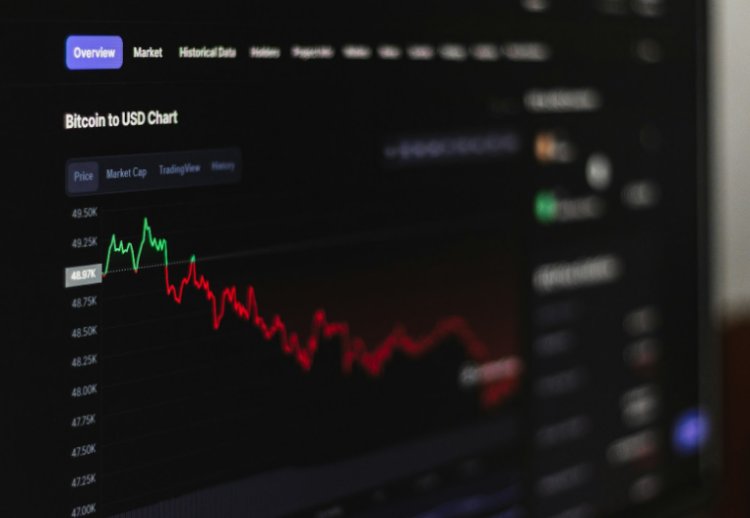
Short-term movements in the BTC USDT spot trading arena often seem random at first glance. Yet, traders who take time to examine these fluctuations can spot faint signals buried beneath the noise. Behavioural economics, a field that explores how individuals make choices under uncertainty, offers an interesting lens for understanding why certain patterns repeat in this specific trading environment.
Instead of relying on traditional charts or complex algorithms, some market participants study group behaviour during volatile hours. One common scenario emerges when buyers and sellers react quickly to minor news items or price shifts. If a small piece of information spreads through online forums, a wave of traders might react in unison, briefly moving the market. This behaviour demonstrates herding, a concept where individuals follow the crowd despite having access to their own data. BTC USDT spot trading, therefore, becomes a stage for collective impulses rather than careful analysis, especially during periods when information is scarce or ambiguous.
A person who pays close attention to these subtle group movements may sometimes benefit from the crowd’s predictable tendencies. For instance, when anxiety ripples across a trading community, short dips could be triggered even if the underlying fundamentals remain unchanged. Those who understand the emotional nature of such actions might hesitate before joining the rush, instead opting to wait for a correction. This approach does not guarantee profits, but it encourages measured decisions over hasty trades. Waiting out the first reaction gives time to observe whether the price stabilises or if further waves of selling emerge. By maintaining distance from the initial surge, one can gather extra information and avoid becoming part of the herd. In the context of BTC USDT spot trading, patience sometimes opens doors that remain closed to those swept along by panic.
Another aspect to consider involves the framing effect, which influences how traders interpret gains and losses. When a slight uptick appears after a downward streak, some participants see it as a recovery and rush to buy, while others view it as a trap. Each person’s reaction can contribute to the overall micro-trend, creating a feedback loop where collective perceptions affect actual prices. Recognising this effect in BTC USDT spot trading may help market watchers adjust their strategies, even if certainty remains elusive.
Loss aversion also plays a part in short-term price shifts. People tend to avoid losses more strongly than they seek gains, so a modest drop may result in more intense selling pressure than a similar-sized gain would bring in buying. Understanding this dynamic helps explain why micro trends can appear sharper or more sudden in one direction. Traders aware of these tendencies might set their entry and exit points further apart, giving themselves a margin to account for emotional swings. By doing so, they reduce the chance of being forced out of a position by temporary volatility. This approach supports a steadier mindset, allowing decisions to rest on broader trends instead of momentary fear.
Mastering micro trends is less about chasing every movement and more about reading the invisible cues left behind by others’ decisions. The process demands patience and a willingness to question first impressions. A good strategy might involve observing the market’s reaction to minor events over several days, noting when similar triggers produce consistent responses. BTC USDT spot trading in this context becomes an ongoing experiment in interpreting the actions of others.
By focusing on the small yet telling patterns that emerge from human behaviour, traders may find opportunities others miss. While no method offers perfect results, applying insights from behavioural economics adds another tool for navigating the fast-changing world of BTC USDT spot trading. Each move reflects not just a reaction to price, but a deeper interplay of thought, emotion, and expectation elements that shape the market in ways charts alone rarely reveal.
What's Your Reaction?